
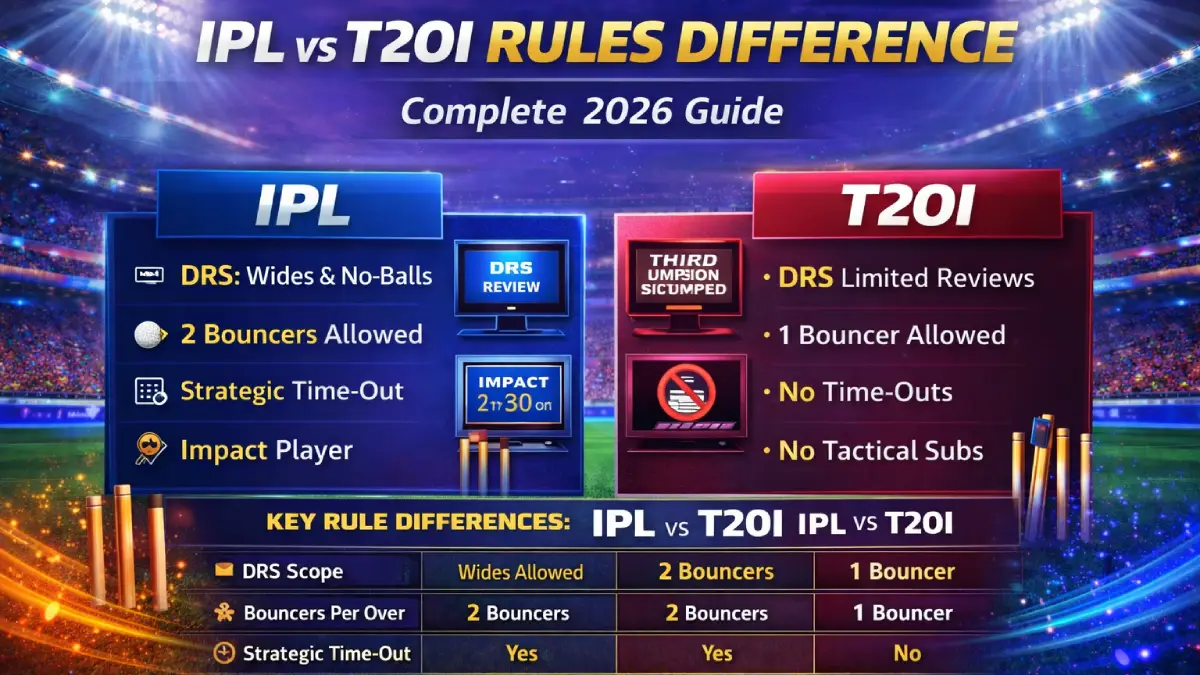
The IPL vs T20I Rules Difference becomes most noticeable when it comes to DRS usage, bouncer limits, strategic time-outs, and substitution rules.
While the Indian Premier League is governed by the Board of Control for Cricket in India, international T20 matches follow regulations set by the International Cricket Council.
This guide compares IPL DRS rules with ICC T20 rules in detail.
IPL vs T20I Rules Difference in DRS System
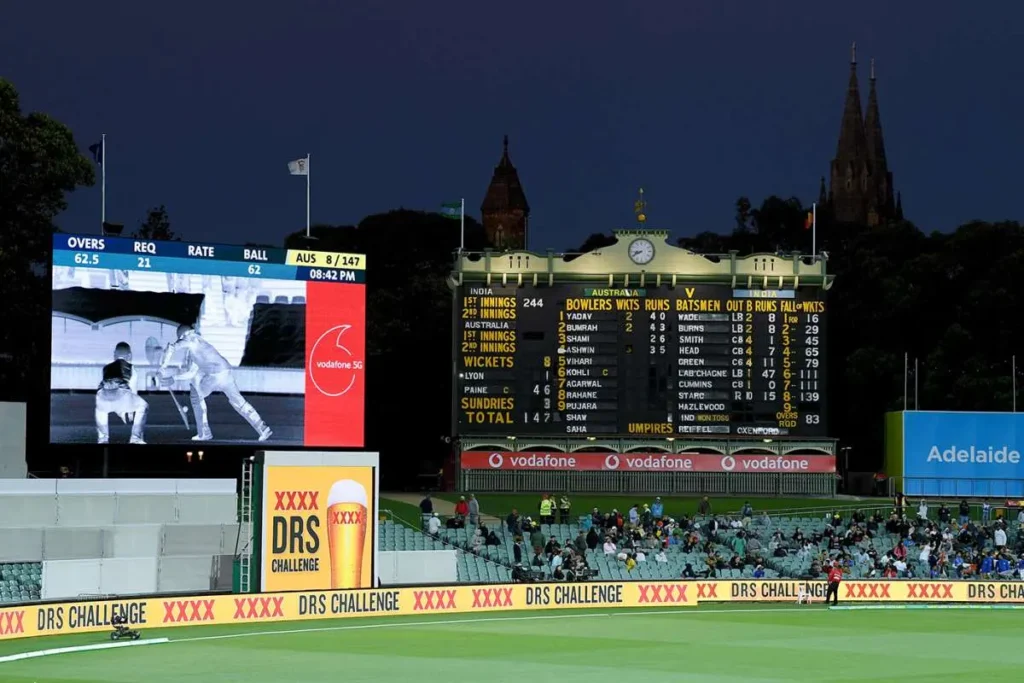
The Decision Review System (DRS) is where the biggest operational difference exists.
IPL DRS Rules
| Feature | IPL Rule |
|---|---|
| Reviews Per Innings | 2 Reviews |
| Wide & No-Ball Review | Allowed |
| Umpire’s Call | Review retained |
| Time to Review | 15 seconds |
| Technology Used | Ball-tracking, UltraEdge, Snicko |
ICC T20I DRS Rules
| Feature | ICC T20 Rule |
|---|---|
| Reviews Per Innings | 2 Reviews |
| Wide Review | Limited |
| No-Ball Review | Mostly not included |
| Umpire’s Call | Review retained |
| Technology Used | Ball-tracking & UltraEdge |
Key Difference:
IPL allows broader review scope, especially for wides and no-balls.
IPL vs T20I Rules Difference in Bouncer Limit
IPL Rule:
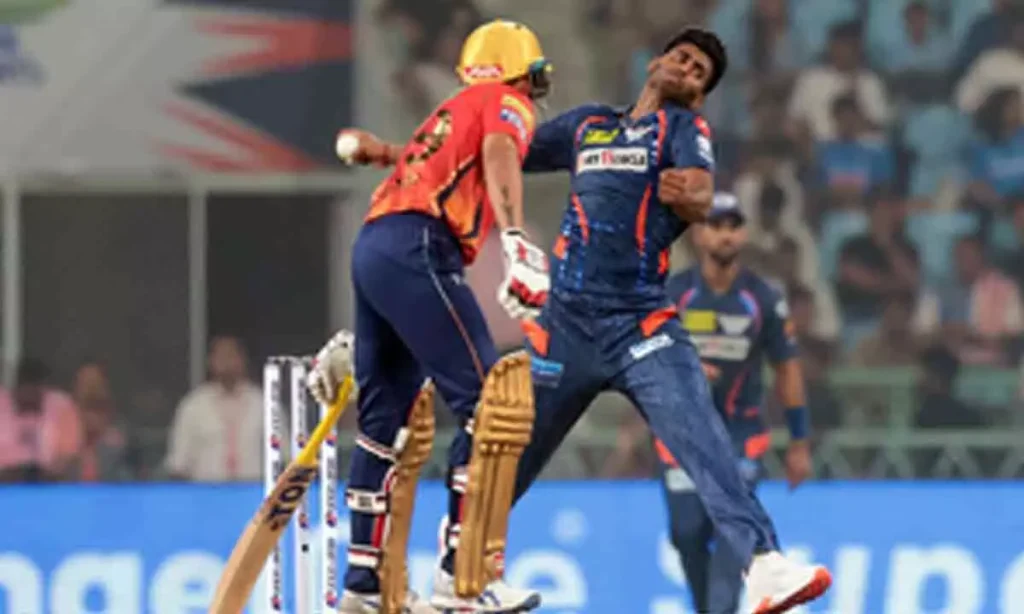
- 2 bouncers allowed per over (since 2024)
ICC T20I Rule:
- Only 1 bouncer per over allowed
This gives IPL bowlers more tactical freedom in middle and death overs.
IPL vs T20I Rules Difference in Strategic Time-Out
IPL:
- 2 mandatory Strategic Time-Outs
- 2 minutes 30 seconds each
- One controlled by bowling team
- One controlled by batting team
ICC T20I:
- No strategic time-outs
This makes IPL more broadcast and tactic-oriented.
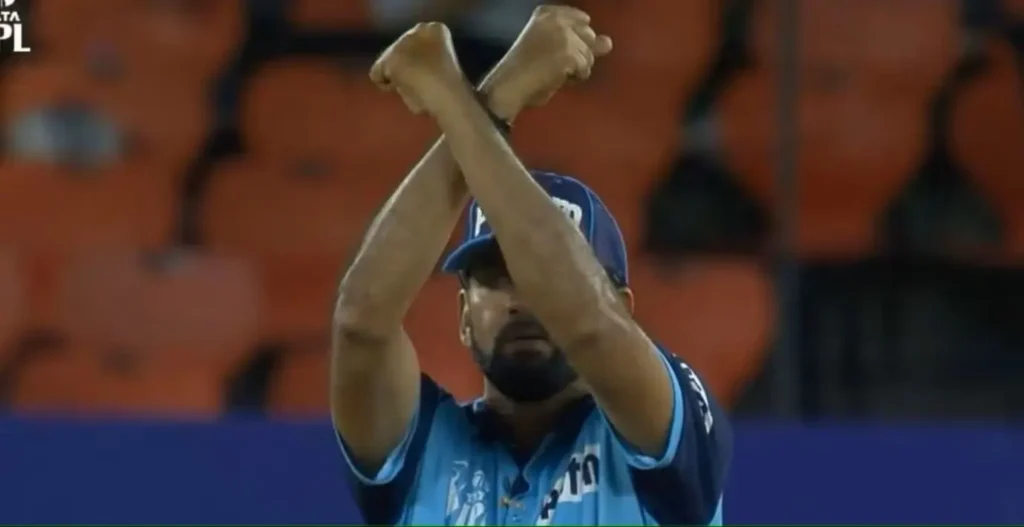
IPL vs T20I Rules Difference in Impact Player Rule
IPL:
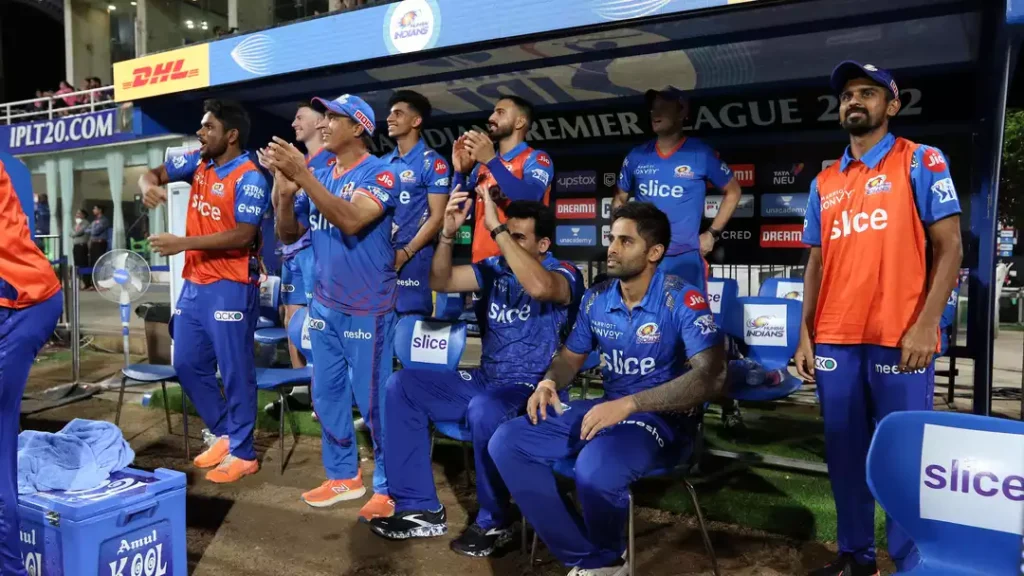
- 1 Impact Player substitution allowed
- 5 substitutes nominated pre-match
- Can bat and bowl
ICC T20I:
- No tactical substitutions allowed
This is a major structural difference.
IPL vs T20I Rules Difference in Overseas Player Limit
IPL:
- Maximum 4 overseas players in Playing XI
ICC T20I:
- No nationality restriction (national teams only)
IPL vs T20I Rules Difference – Full Comparison Table
| Rule Category | IPL | ICC T20I |
|---|---|---|
| DRS Wide Review | Yes | Limited |
| DRS No-Ball Review | Yes | Rare |
| Bouncer Limit | 2 per over | 1 per over |
| Strategic Time-Out | Yes | No |
| Impact Player | Yes | No |
| Overseas Limit | Max 4 | Not Applicable |
Why IPL Rules Are Different?
IPL is a franchise league designed for:
- Tactical flexibility
- Broadcast engagement
- Fan entertainment
- Commercial balance
ICC T20 rules focus on:
- Uniform global standards
- Simplicity
- International fairness
FAQs – IPL vs T20I Rules Difference
Does IPL have more DRS options than ICC T20?
Yes, especially for wides and no-balls.
Why does IPL allow two bouncers?
To enhance tactical competition.
Can T20 internationals use Impact Player?
No.
Are over-rate penalties different?
IPL enforces in-match fielding restrictions, ICC usually applies fines.
Conclusion
The IPL vs T20I Rules Difference highlights how the IPL prioritizes tactical innovation, while ICC T20 cricket emphasizes standardized international structure.
Major differences include:
- Expanded DRS scope in IPL
- Two bouncers per over in IPL
- Strategic Time-Out in IPL
- Impact Player rule exclusive to IPL
Both formats remain exciting, but IPL offers more experimental playing conditions.
👉 Stay updated with match analysis, predictions, and cricket insights at whatissports.com
About Author
